Phyllocrania paradoxa

Masters of Mimicry, Hidden in Plain Sight

The ghost mantis is nature's most elegant deceiver—a living dead leaf that waits motionless on the forest floor, perfectly camouflaged, until prey wanders too close.

Look closer

The Living Dead Leaf

What Makes Them Special

The ghost mantis (Phyllocrania paradoxa) is a master of deception, employing both morphological and behavioral camouflage to appear as dead, dried-up leaf material. Their flattened body with irregular edges, asymmetrical head crest, and brown tones perfectly match decaying foliage.

45-50mm Adult Size
7-12 Months Lifespan
Africa Native Range

Scientific Classification

Kingdom
Animalia
Order
Mantodea
Family
Hymenopodidae
Genus
Phyllocrania
Species
P. paradoxa

Natural Habitat

Found across sub-Saharan Africa and Madagascar in dry woodlands, bushlands, and scrublands. They thrive in warm climates with abundant dead foliage—perfect for their camouflage strategy.

🍃

Behavioral Camouflage

When disturbed, ghost mantises sway gently back and forth, mimicking a leaf blowing in the wind. They can maintain this disguise while hanging upside-down for hours while hunting.

Creating Their World

📐

Enclosure Size

8" × 8" × 12"

Minimum 3× body length in height. Adults need at least 4"L × 4"W × 6"H, but larger is better.

🌡️

Temperature

75-80°F Day

Night temps can drop to 70-74°F. Never exceed 86°F or go below 64°F.

💧

Humidity

50-70% RH

Light daily misting. They drink from water droplets on enclosure walls and plants.

🌿

Furnishings

Vertical Space

Branches, twigs, and artificial plants. Mesh or textured surfaces for climbing and molting.

💡 Communal Housing

Ghost mantises are among the few mantis species that can be housed together! They have very low cannibalism rates when well-fed and given adequate space. Keep all individuals the same size and separate at sub-adult stage (L5).

Substrate Options

Sphagnum Moss

Superior humidity control with natural appearance

Paper Towels

Simple, hygienic, and easy to replace

Feeding Your Ghost

L1-L2

Early Nymphs

Melanogaster Fruit Flies Every 1-2 days

2-4 flies per feeding. These tiny nymphs require appropriately small prey.

L3-L4

Mid-Stage Nymphs

Hydei Fruit Flies Every 1-2 days

4 flies per feeding. At L4, ghost mantises become ready for larger prey options.

L5+

Sub-Adults & Adults

House Flies, Blue Bottles, Moths Every 2-3 days

Ghost mantises prefer flying insects. They're ambush hunters that don't like to chase.

⚠️

Avoid Crickets

Crickets carry bacterial contamination and Cricket Paralysis Virus that can be fatal to mantises. They're also aggressive and can attack molting mantises. Never feed crickets to ghost mantises.

Hydration Requirements

The Lifecycle

🥚

Ootheca

4-6 weeks incubation at 86°F. Each egg case yields 15-30 nymphs.

🐛

L1-L2 Nymphs

Dark-colored ant mimicry stage. Feed melanogaster fruit flies.

🦗

L3-L6 Development

Molts every 2-4 weeks. Sexual dimorphism becomes visible from L4.

🦟

Adult

Males: 6 molts, ready to mate in 2-4 weeks. Females: 7 molts, ready in 2 weeks.

How to Sex Your Ghost Mantis

Female

  • 6 abdominal segments
  • Broader, more robust body
  • Shorter wings (cover abdomen)
  • Larger, straighter head crest

Male

  • 8 abdominal segments
  • Thin, narrow build
  • Longer wings (past abdomen)
  • Curved head crest with 2 kinks

🎯 Breeding Success Tip

Ghost mantises have exceptionally low cannibalism rates—one of the safest mantis species to breed. The key is to feed the female generously before introducing the male. Mating often occurs at night and can take several hours.

Keeping Them Healthy

Common Issues

  • Molting Problems

    Caused by low humidity, dehydration, or disturbance. Maintain 60-80% RH during molts.

  • Dehydration

    Shrunken appearance, lethargy, repeated falling. Mist immediately and offer hydrated prey.

  • Fungal Infections

    Dark spots, vomiting, paralysis. Caused by excess humidity. Lower to 40-50% and increase ventilation.

Prevention Checklist

  • Mesh or textured surfaces on all walls
  • Stable temperature (72-80°F)
  • 50-70% humidity with hygrometer
  • Adequate ventilation
  • Dechlorinated water only
  • Remove uneaten prey within 24 hours
  • No handling 3+ days before/after molts

🚨 Emergency: Stuck in Molt

  1. Hang it back up immediately — gravity assists molting
  2. Create humid chamber — warm wet paper towels in small container
  3. Wait 10-15 minutes — let skin soften
  4. Gently assist — use wet cotton swab to work at stuck skin
  5. Leave undisturbed — 24+ hours after rescue

Mantis Flashcards

Explore our collection of educational flashcards covering mantis species and fascinating facts about these incredible insects.

Mantis Species
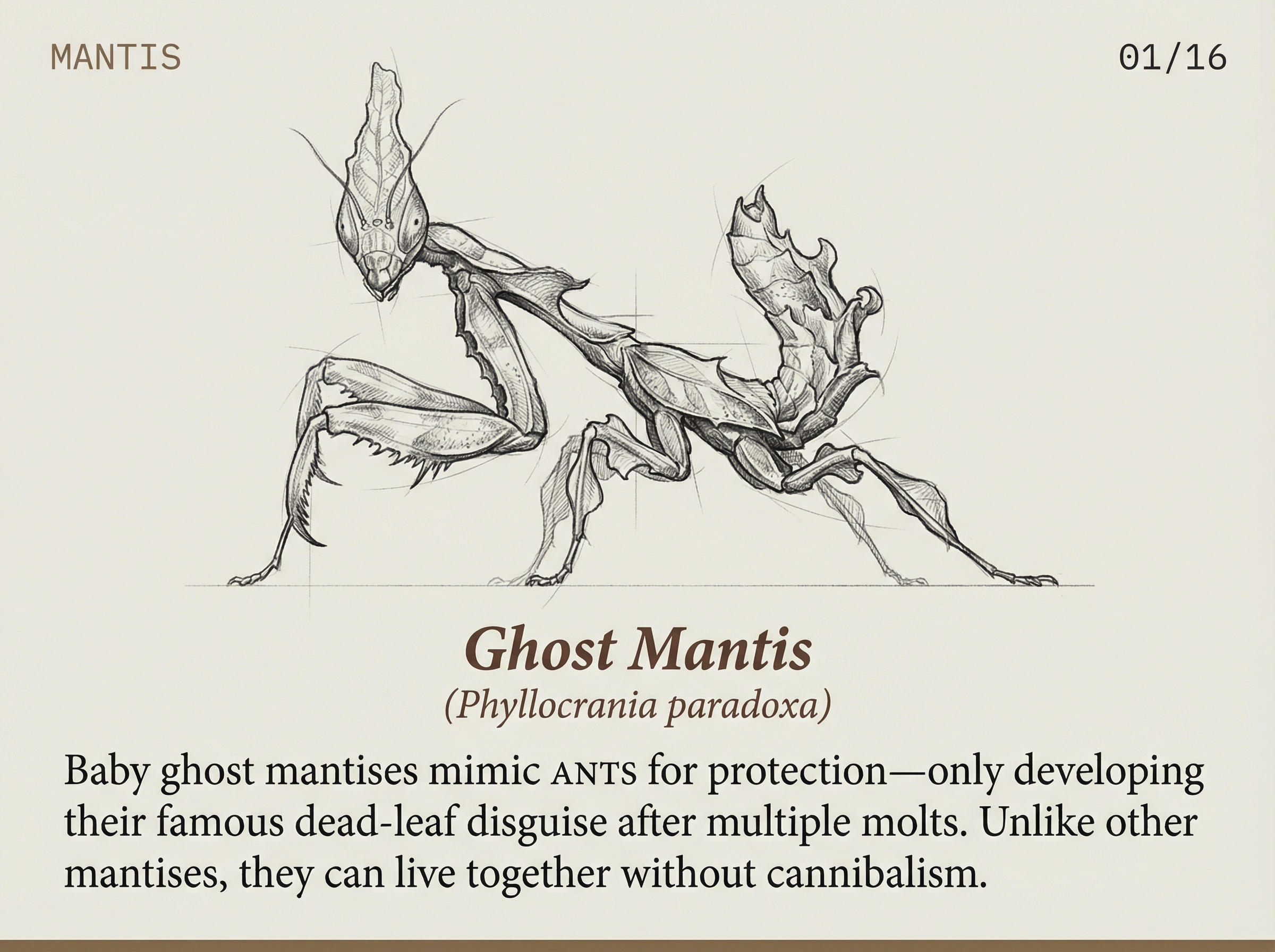
Ghost Mantis Ghost Mantis
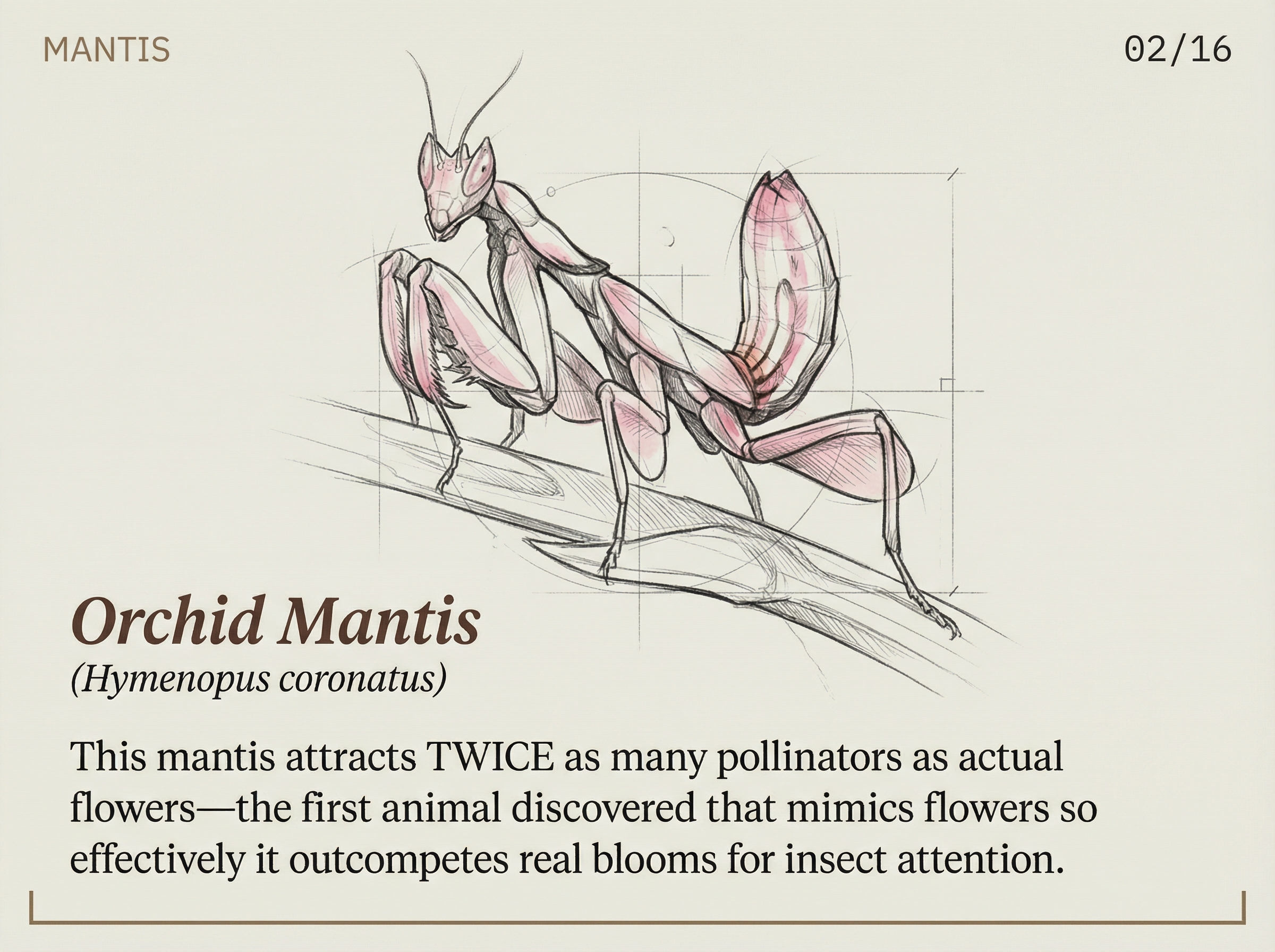
Orchid Mantis Orchid Mantis
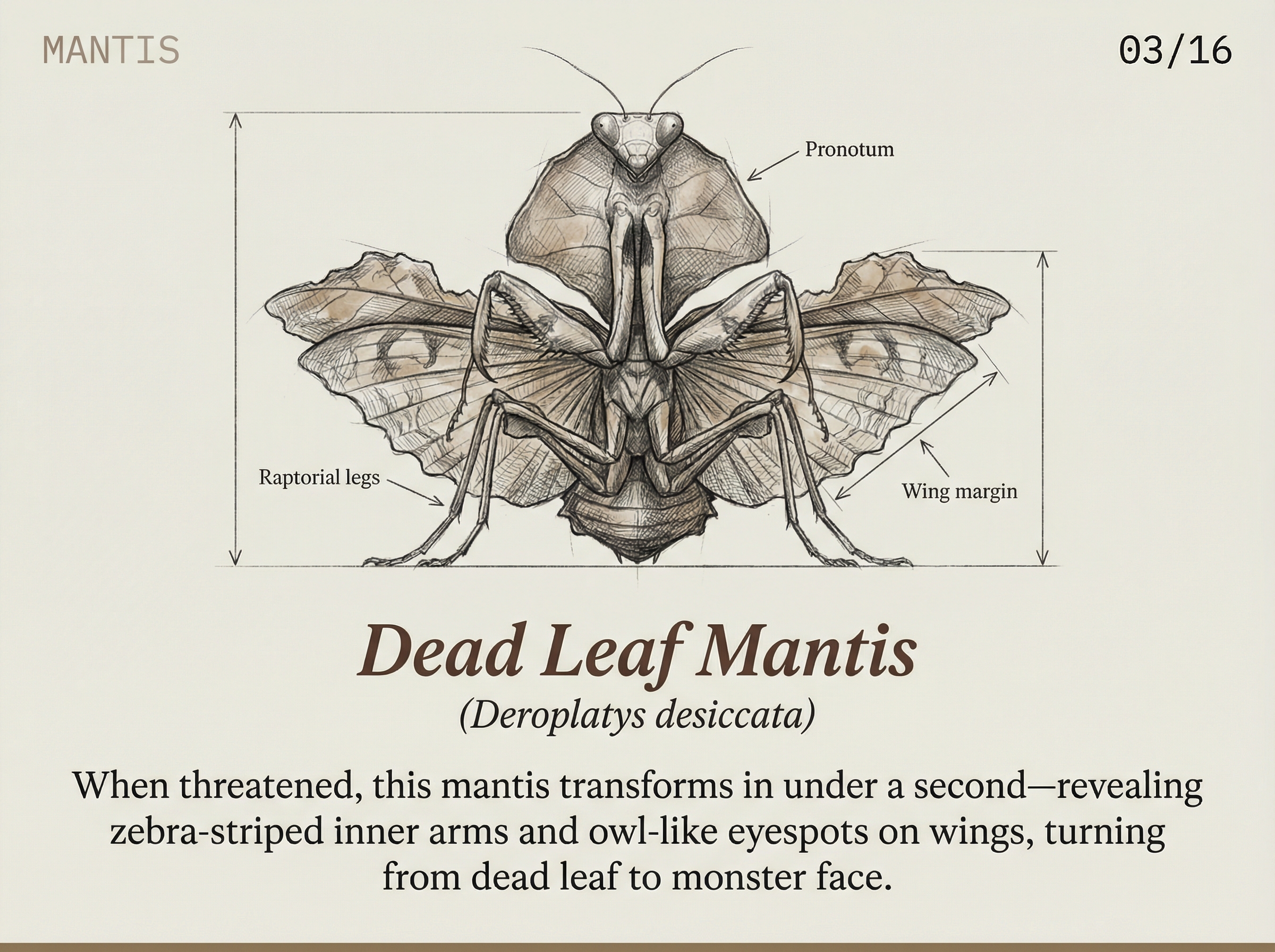
Dead Leaf Mantis Dead Leaf Mantis
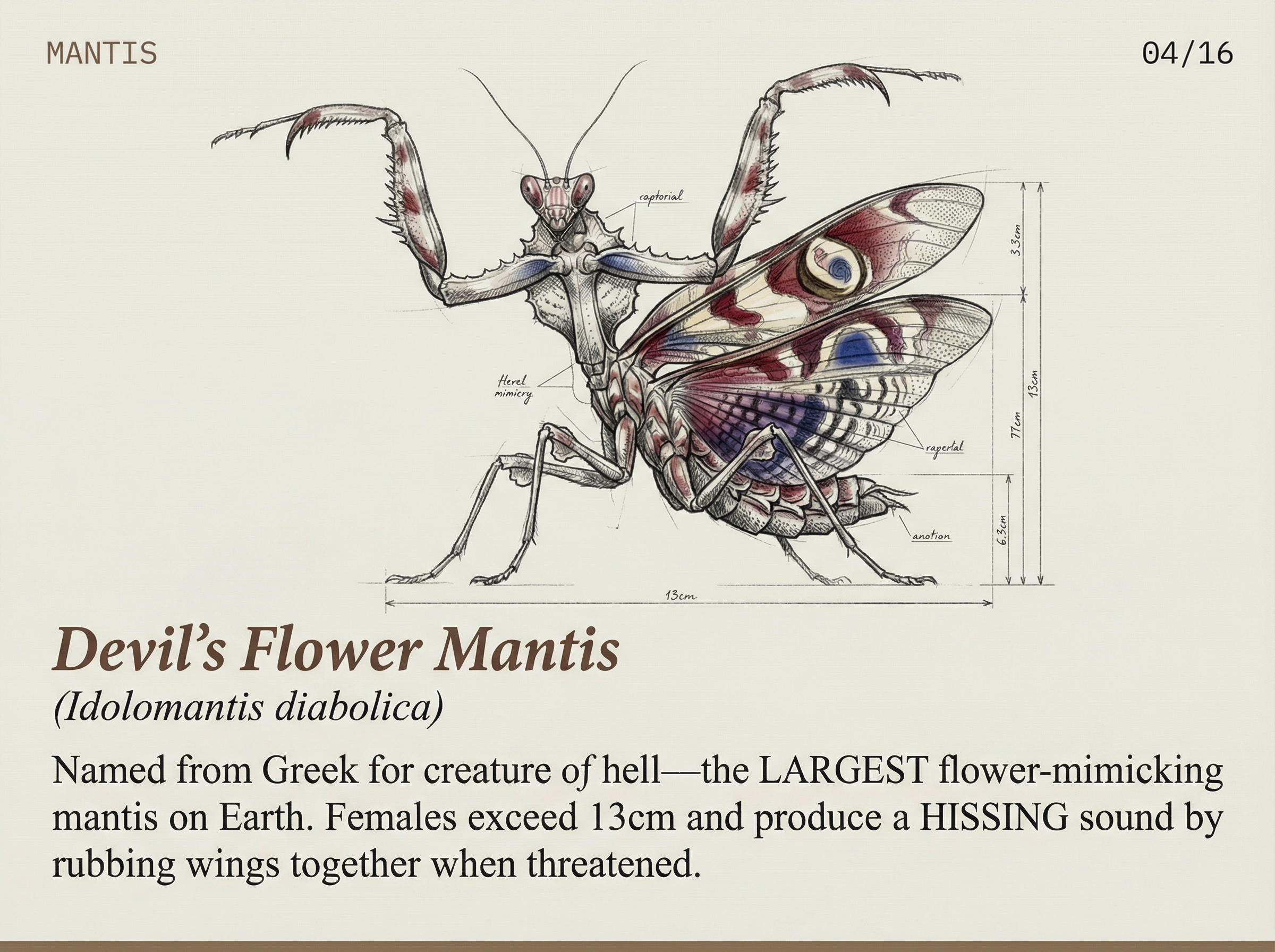
Devil's Flower Mantis Devil's Flower Mantis
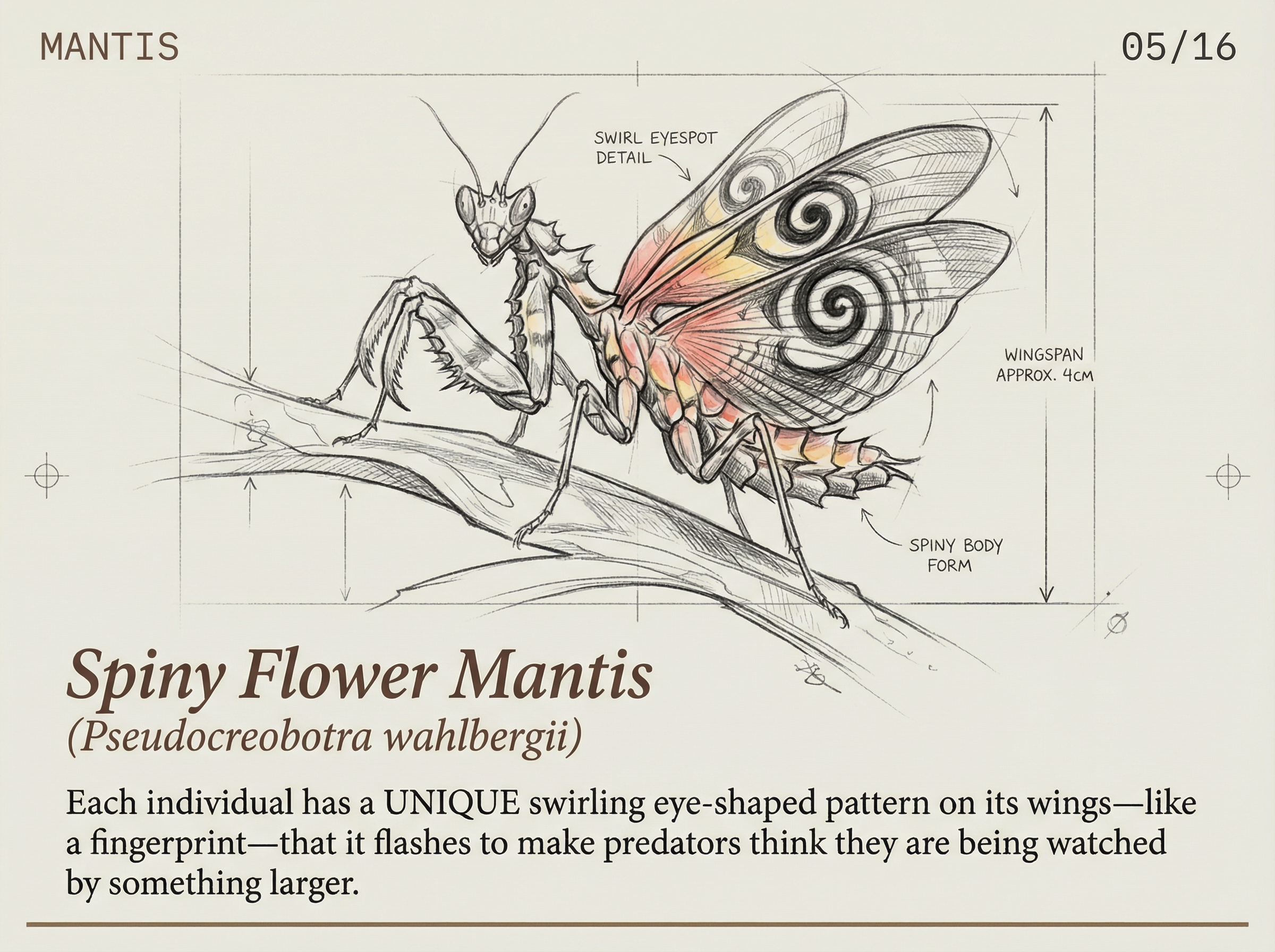
Spiny Flower Mantis Spiny Flower Mantis
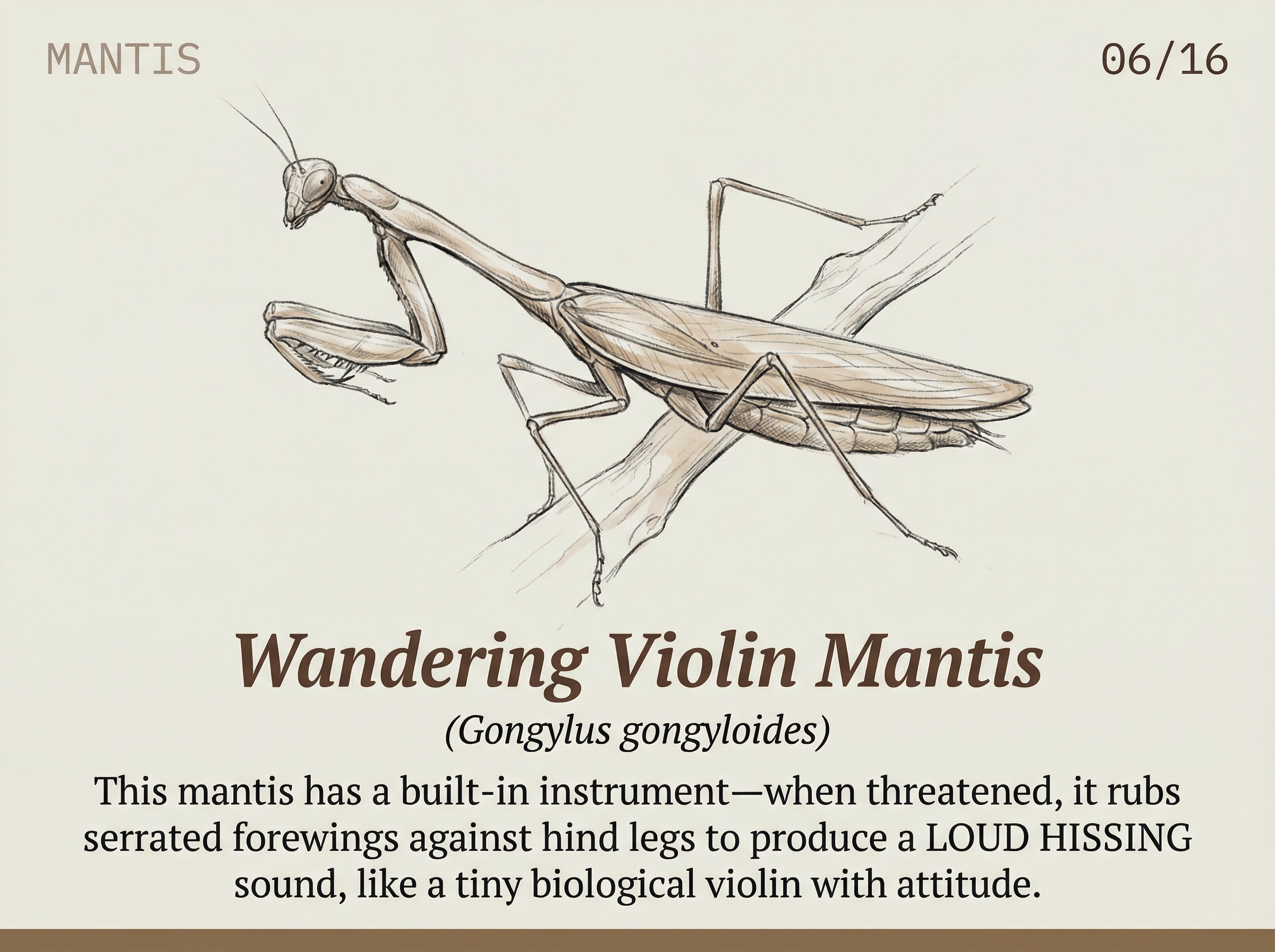
Violin Mantis Violin Mantis
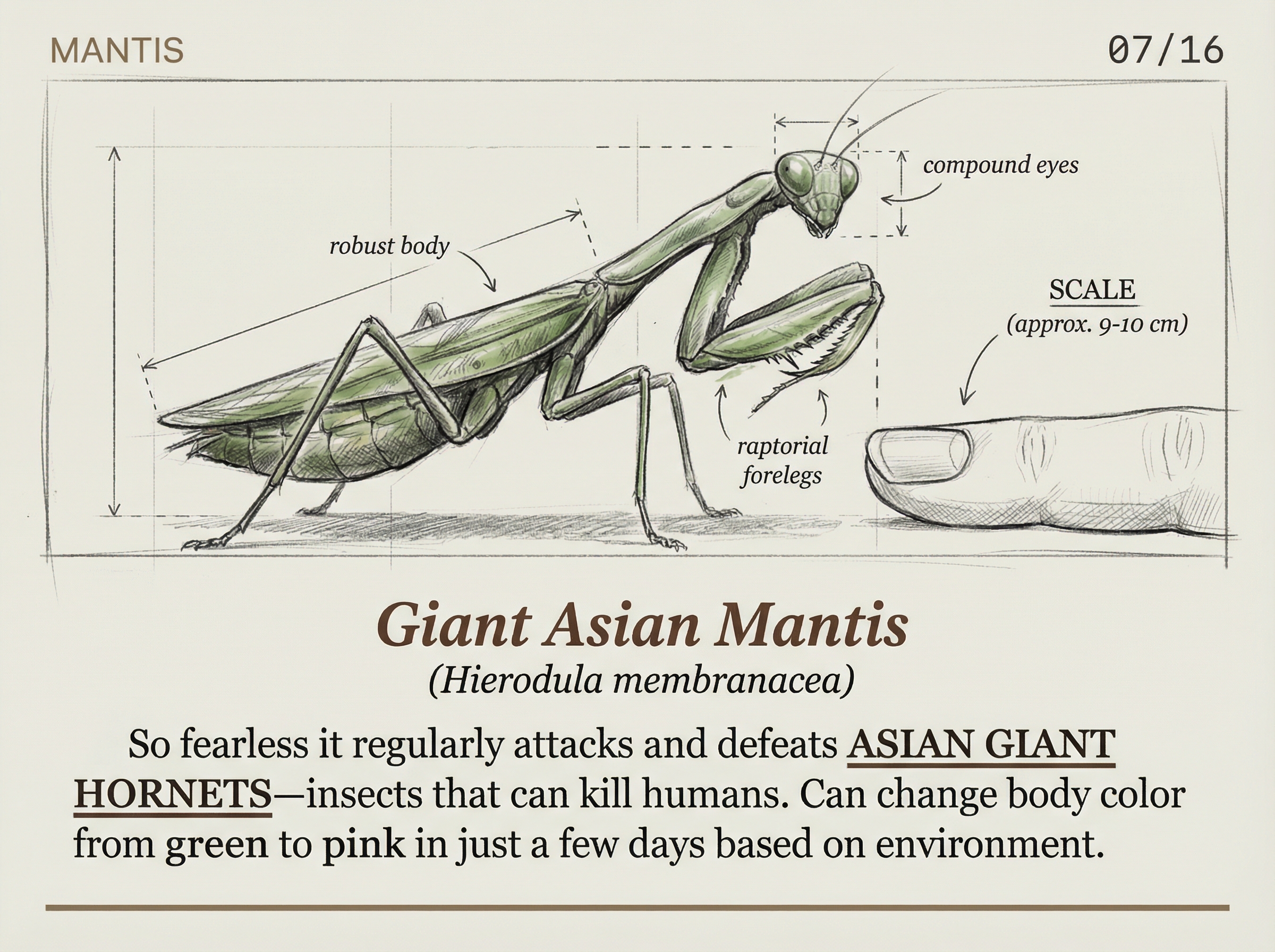
Giant Asian Mantis Giant Asian Mantis
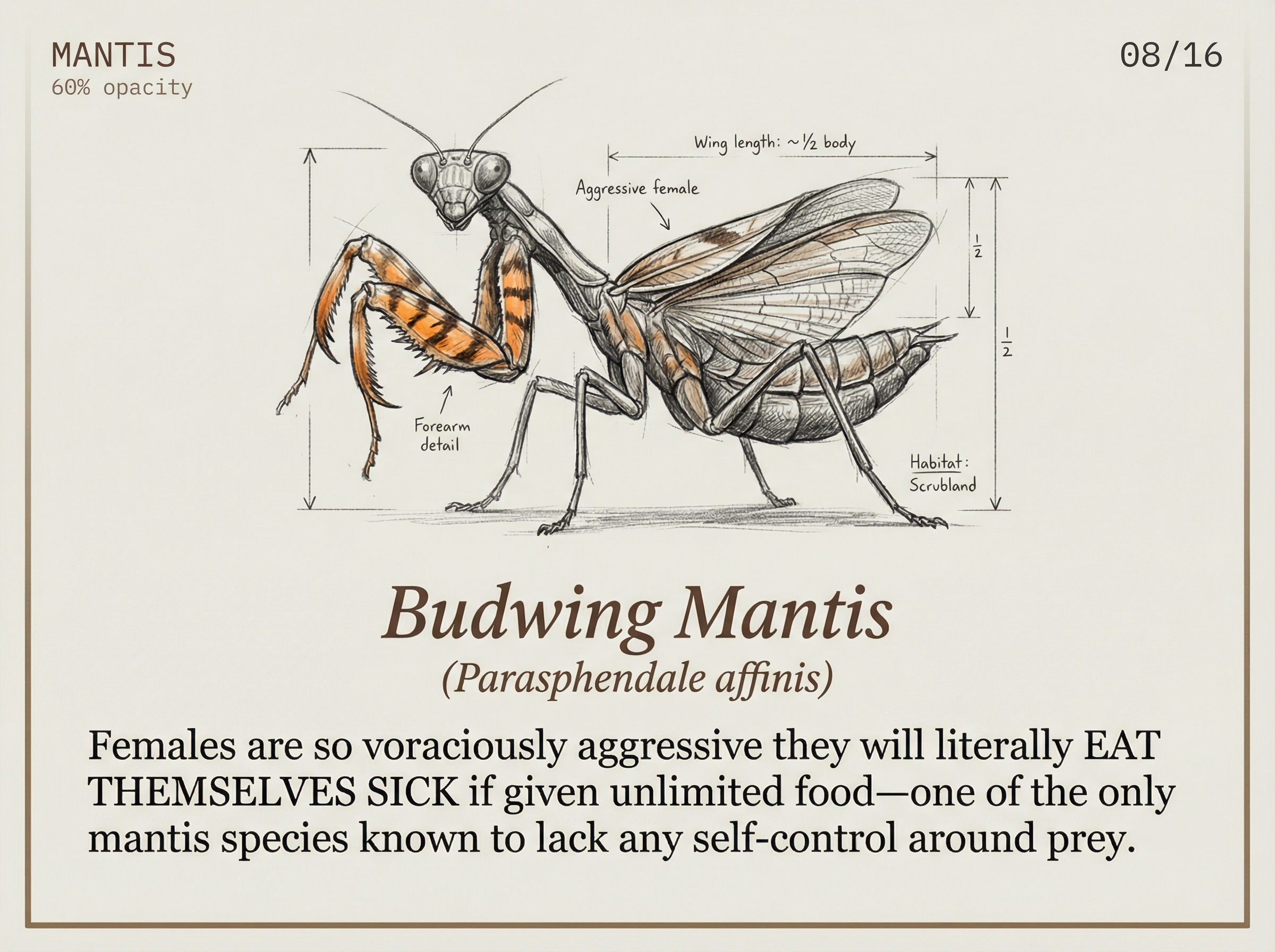
Budwing Mantis Budwing Mantis

Mantis Facts
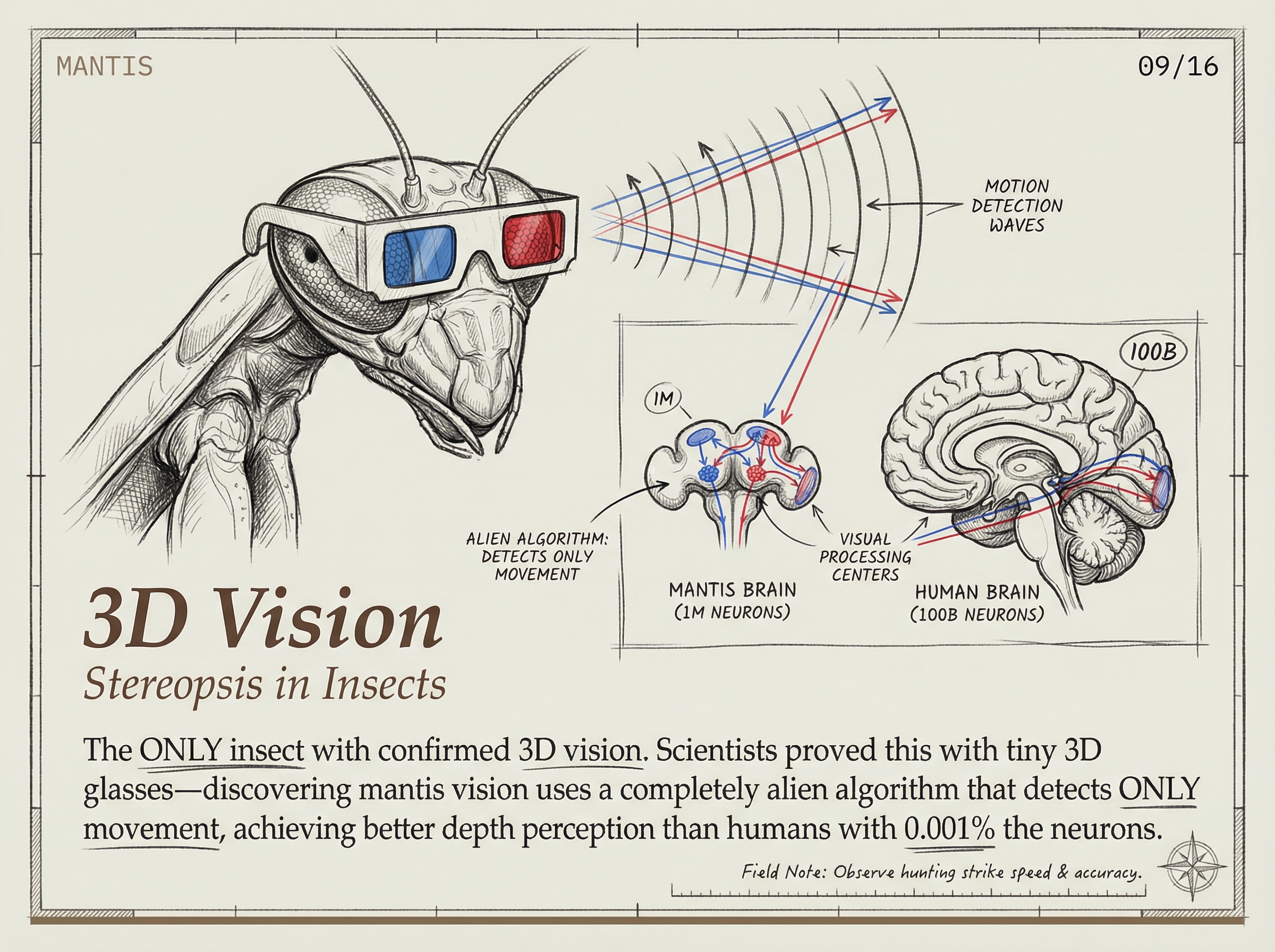
3D Vision 3D Vision
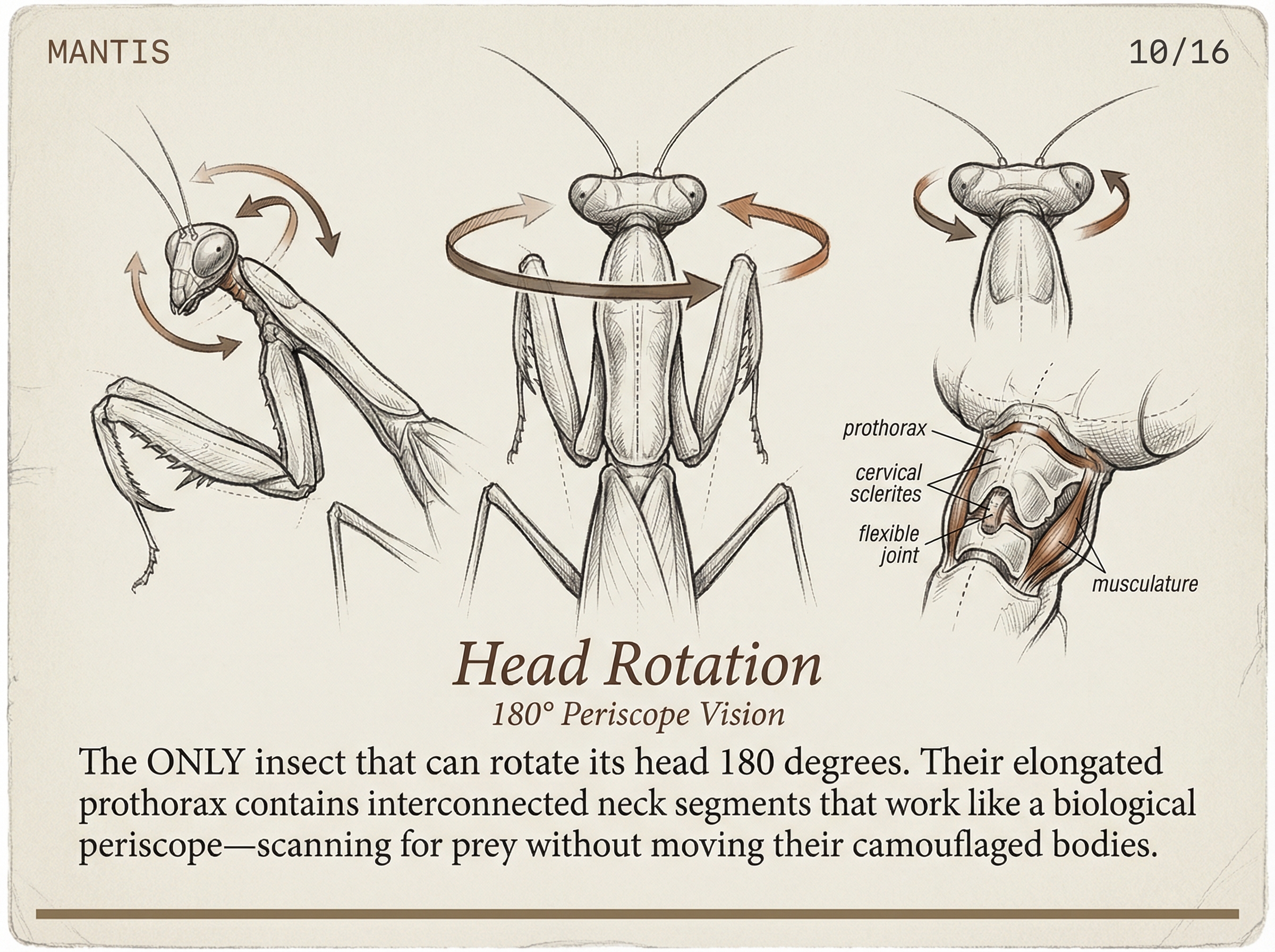
Head Rotation Head Rotation
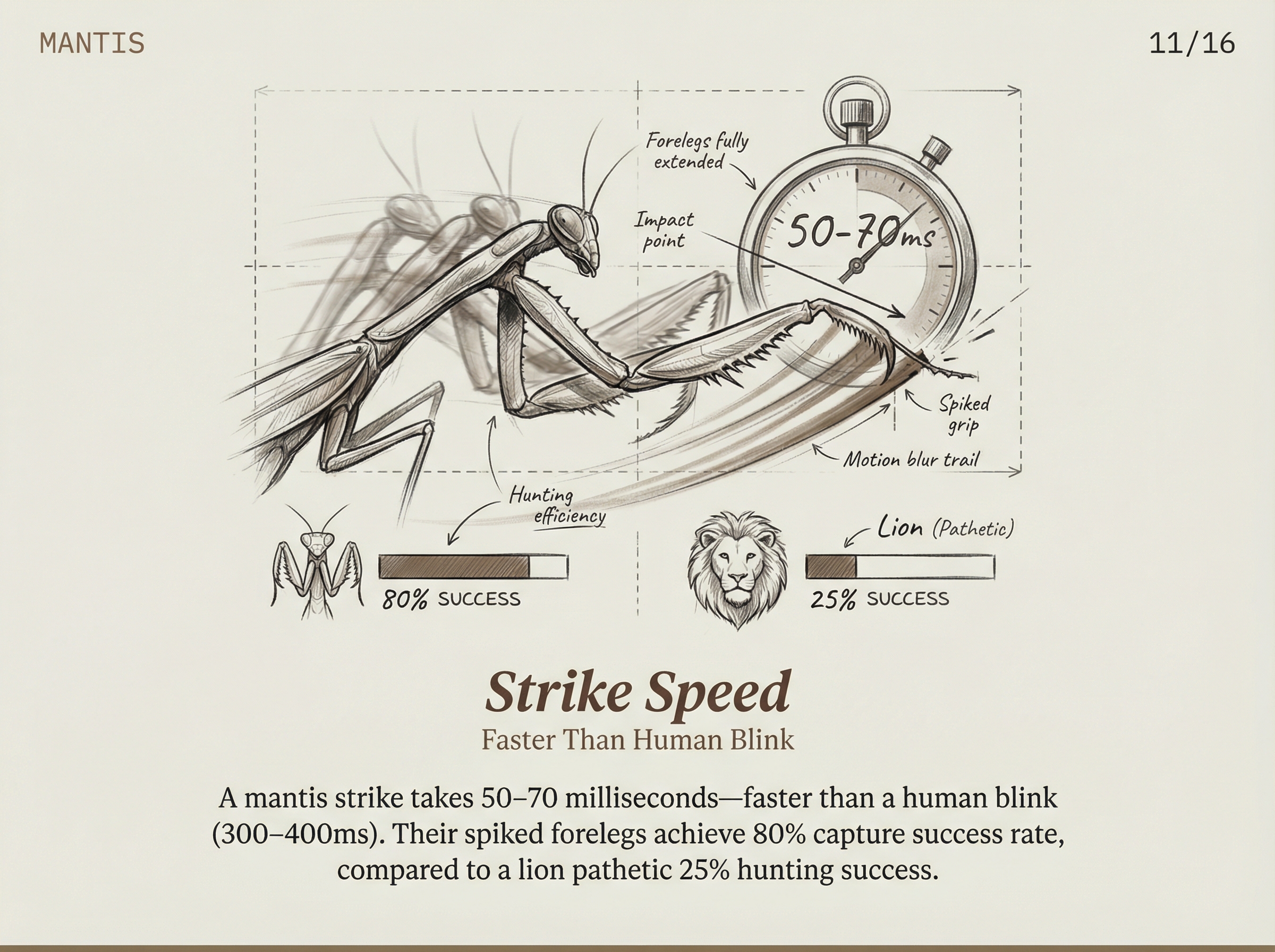
Strike Speed Strike Speed
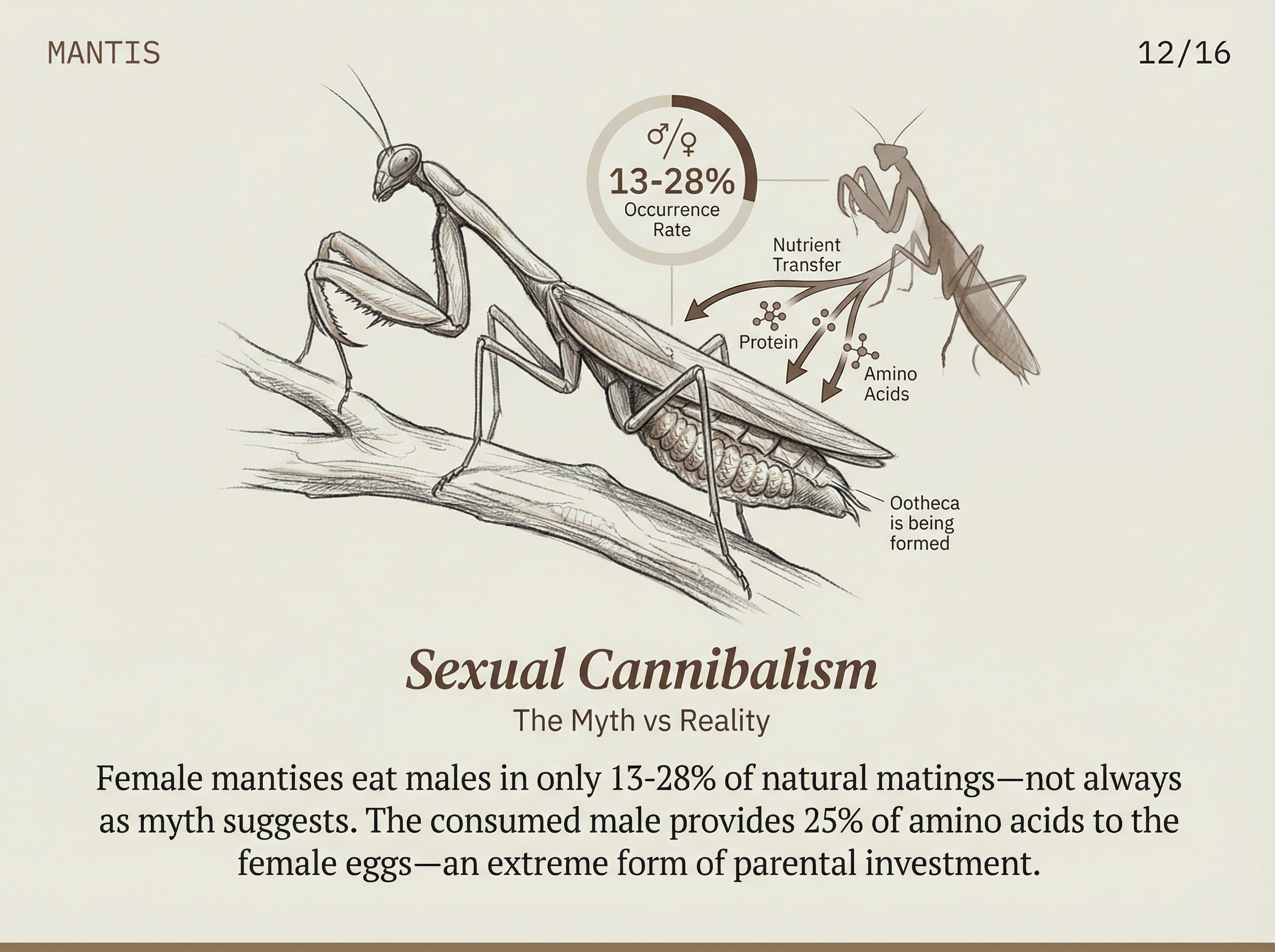
Cannibalism Cannibalism
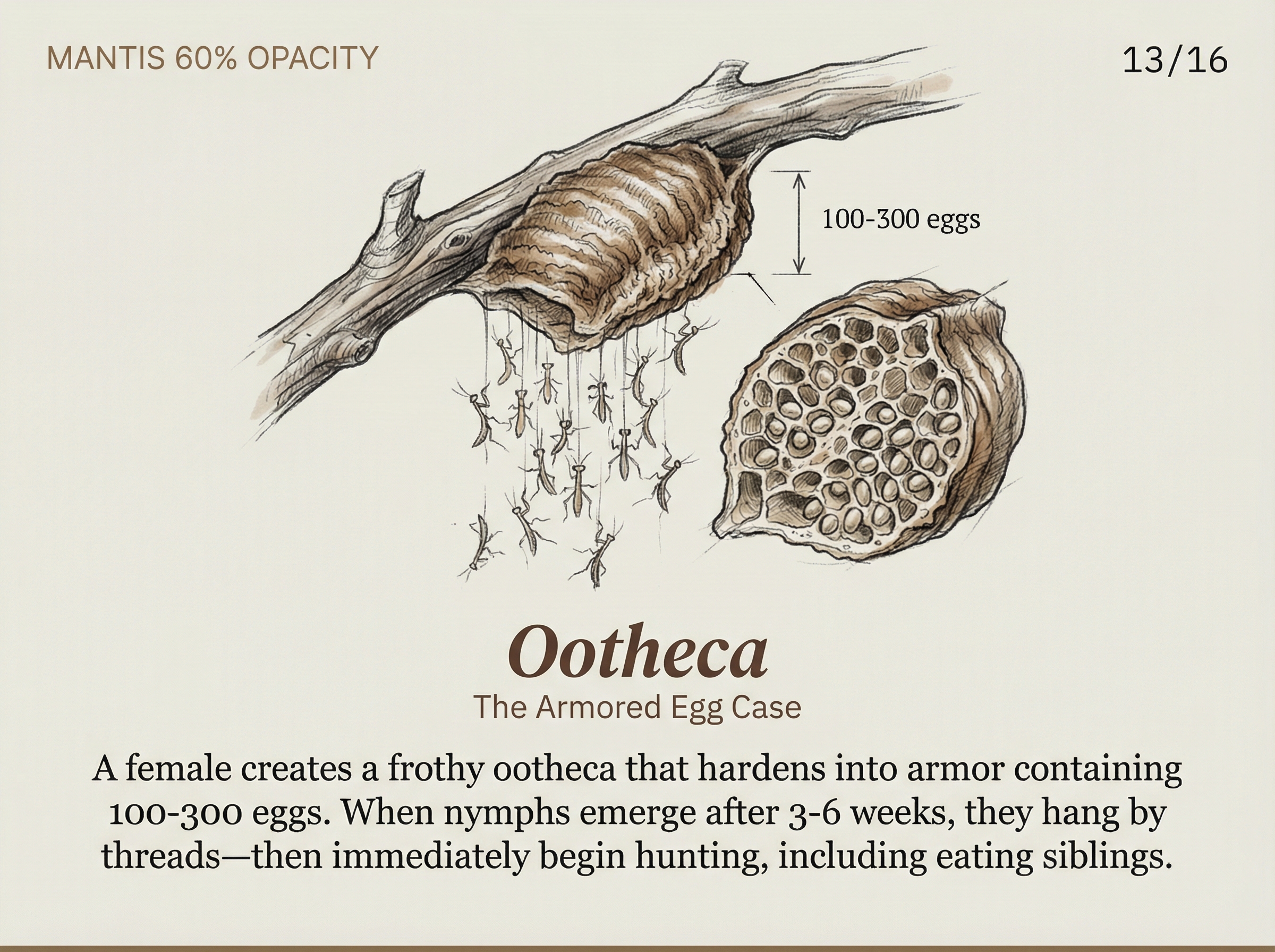
Ootheca Ootheca
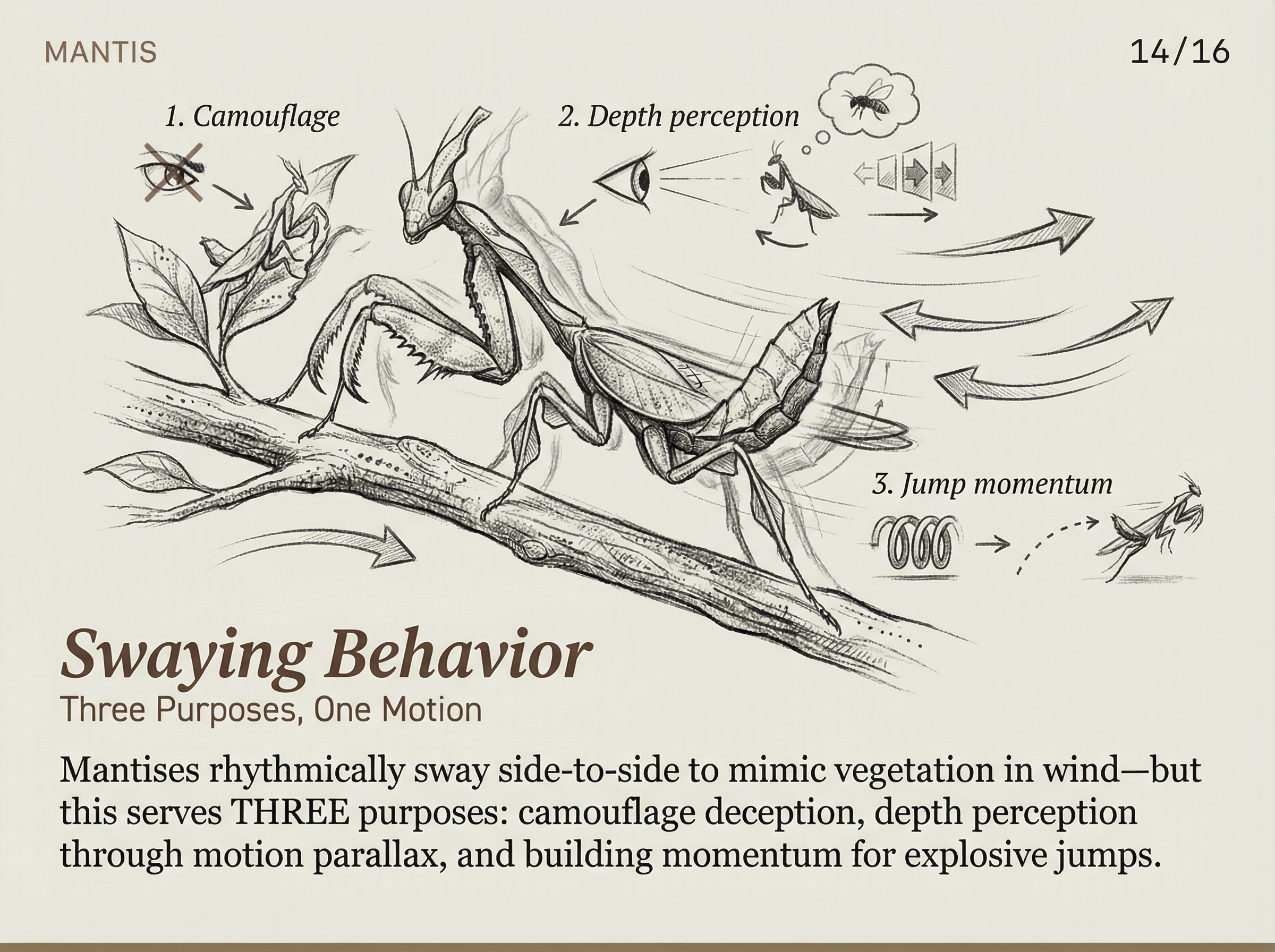
Swaying Behavior Swaying
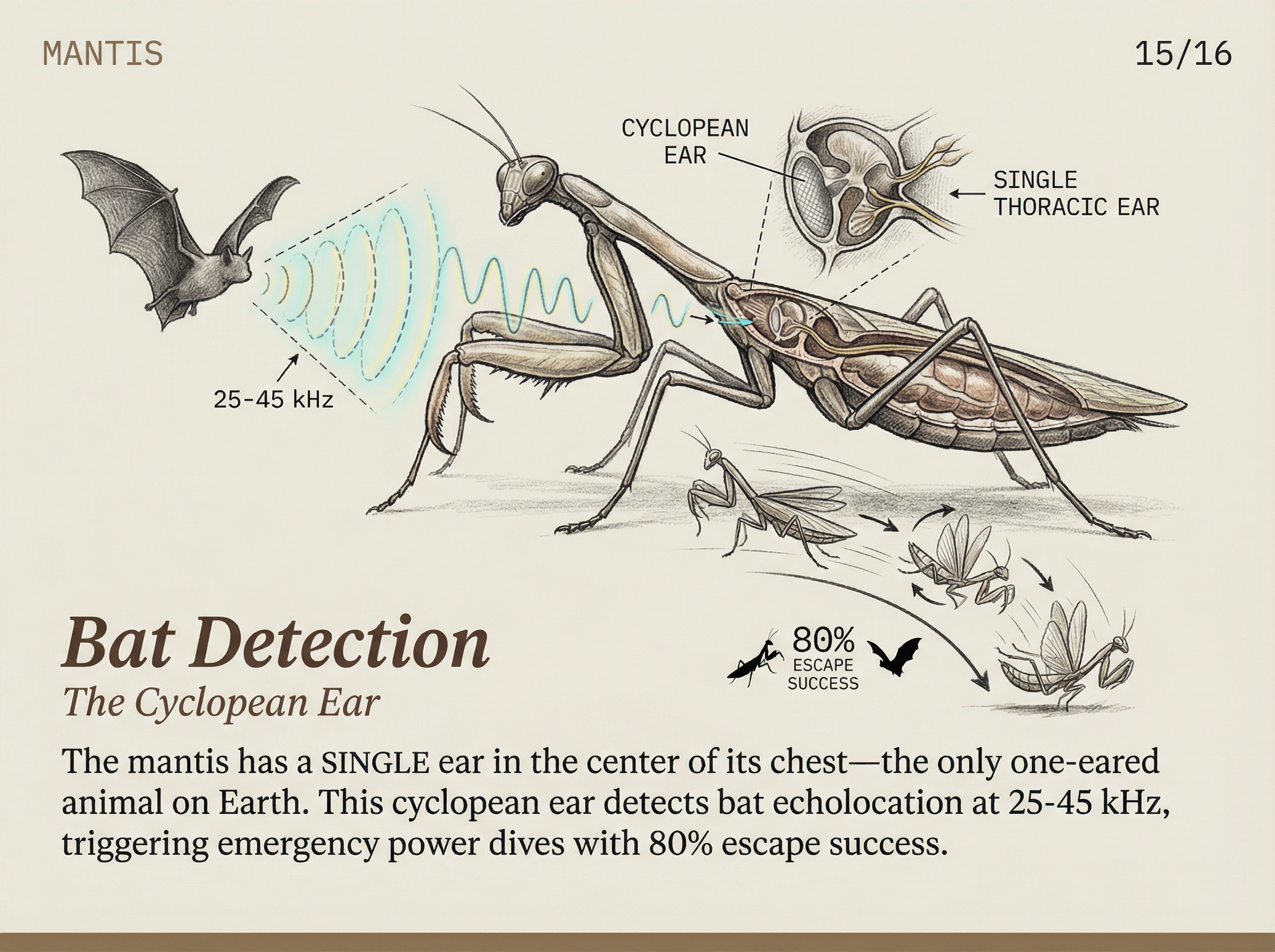
Bat Detection Bat Detection
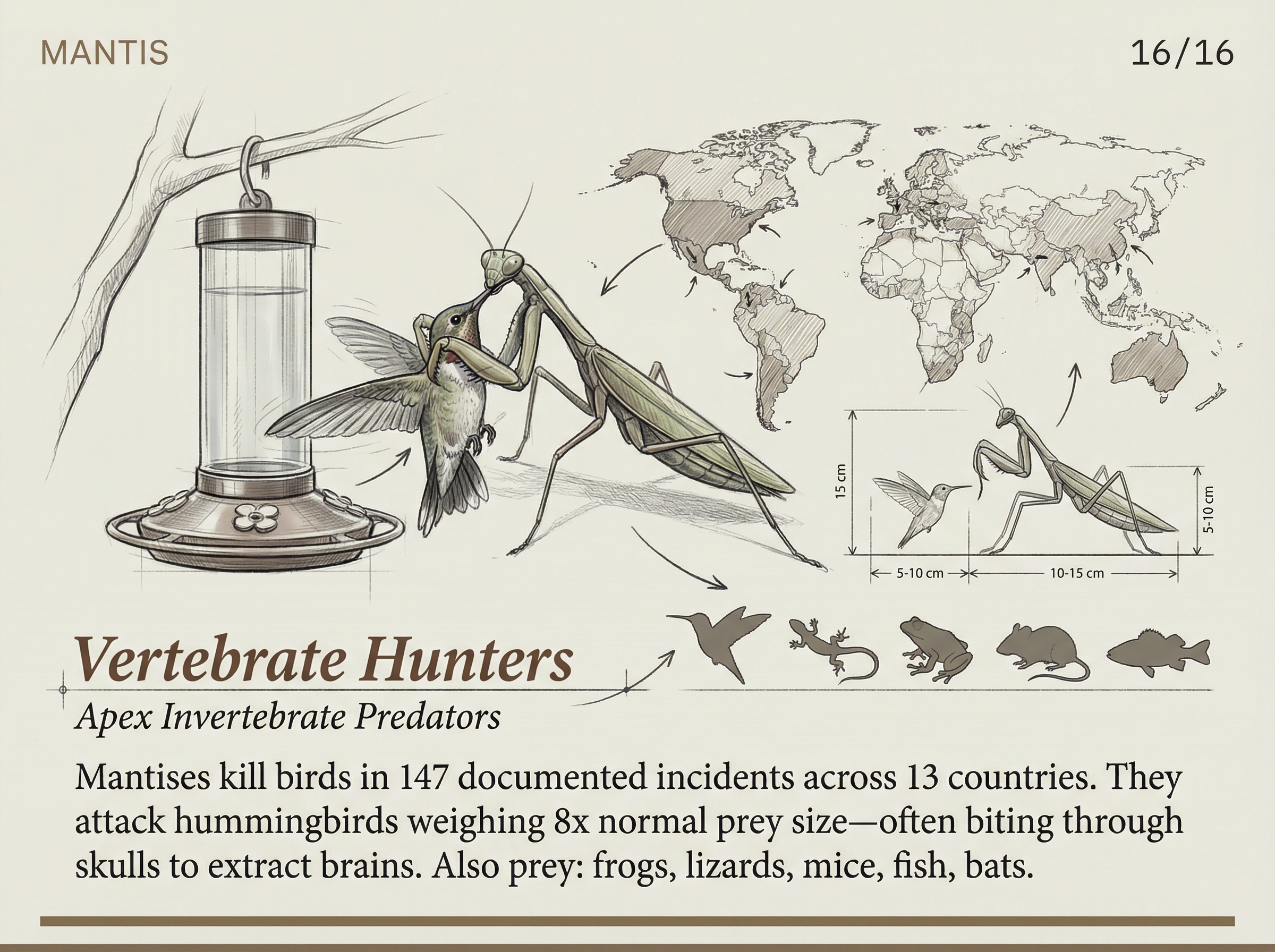
Vertebrate Hunters Vertebrate Hunters

Start Your Journey

Why Ghost Mantises Are Perfect for Beginners

💪

Hardy & Forgiving

Tolerant of minor care mistakes while you learn

👥

Can Be Communal

Very low cannibalism—enjoy multiple mantises together

💰

Budget-Friendly

~$50-100 startup, $10-20/month ongoing

Low Time Commitment

5-10 minutes daily care is all they need

Essential Shopping List

Equipment

  • Enclosure (8"×8"×12" or larger) — $10-25
  • Substrate (coconut fiber or paper towels) — $5-10
  • Climbing structures (sticks, plants) — $0-10
  • Spray bottle — $5
  • Thermometer/hygrometer — $10-20

Food & Supplies

  • Fruit fly cultures — $5-10/month
  • House flies (for adults) — $5-10/month
  • Distilled water — $2-3/month
  • Ghost mantis (L3-L5 nymph) — $15-30

Where to Buy

💡 Start with an L3-L5 nymph rather than L1-L2. Older nymphs are hardier and easier for beginners.